Explore the mechanics of Ebbtide fighter strikes, carrier operations, and tactical building destruction with our comprehensive gaming guide.
Mastering Ebbtide fighter strikes is essential for players looking to dominate naval and aerial combat scenarios. Whether you are coordinating tactical Ebbtide fighter strikes or managing complex carrier operations, understanding the core mechanics will elevate your gameplay significantly.
Introduction to Carrier Operations
Naval aviation in simulation and strategy games requires precise timing and flawless execution. Managing your flight deck effectively ensures that your aircraft can launch, strike targets, and return safely without unnecessary losses.
Carrier operations form the backbone of modern naval warfare mechanics. Players must master everything from the initial catapult launch to the final parking sequence on the flight deck.
| Operation Phase | Key Actions | Objective |
|---|
| Launch | Catapult hook-up, throttle check | Get aircraft airborne safely |
| Strike | Target acquisition, ordnance drop | Neutralize enemy assets |
| Recovery | Approach alignment, trap wire catch | Land safely on moving carrier |
| Servicing | Parking, taxiing, pilot disembarking | Prepare jet for next sortie |
Executing Precision Fighter Strikes
When enemy structures or heavily defended positions block your advance, coordinating air support becomes critical. Precision runs require careful altitude management and target identification.
Community reports indicate that timing your approach against heavily fortified buildings prevents unnecessary anti-air damage. Pilots must synchronize their attack runs with ground or naval forces to maximize structural damage.
| Target Type | Recommended Ordnance | Approach Strategy |
|---|
| Reinforced Buildings | Heavy payload, guided munitions | High-altitude dive bomb |
| Mobile Units | Rapid-fire cannons, rockets | Low-level strafing run |
| Coastal Defenses | Stand-off missiles | Long-range precision strike |
Building Destruction Mechanics
Destruction physics add an extra layer of strategy to combat encounters. Taking down specific architectural weak points can collapse entire command structures, altering the battlefield landscape.
According to player experience, targeting the foundational pillars of structures yields faster destruction rates than spreading damage evenly across the entire facade.
- Focus firepower on structural weak points.
- Coordinate simultaneous strikes for compounded damage effects.
- Assess environmental hazards before committing aircraft.
Landing and Flight Deck Procedures
Getting your aircraft back onto the carrier is often harder than taking off. A successful landing requires strict adherence to glide slope indicators and arresting gear positioning.
Once the bird is down, ground crews take over to taxi, park, and allow pilots to disembark. Failing to park correctly can cause bottlenecks on the flight deck, delaying subsequent launches.
| Deck Action | Potential Risk | Prevention Tip |
|---|
| Approach | Overshooting the wires | Maintain steady glide path |
| Taxiing | Colliding with parked aircraft | Follow deck crew signals strictly |
| Disembarking | Pilot exposure to deck hazards | Clear active zones immediately |
For more details on military aviation strategy and game updates, check out the Steam Store Page for related simulation titles.
Frequently Asked Questions
What are Ebbtide fighter strikes?
Ebbtide fighter strikes are specialized aerial maneuvers and support operations used to target enemy structures and units during naval combat scenarios.
How do I successfully land on the carrier after a strike?
Ensure your approach aligns with the carrier's movement, maintain your glide slope, and catch the arresting wires while following all flight deck signals.
Can fighter strikes destroy heavily reinforced buildings?
Yes, by focusing your ordnance on structural weak points and coordinating multiple attack runs, you can successfully demolish heavy structures.

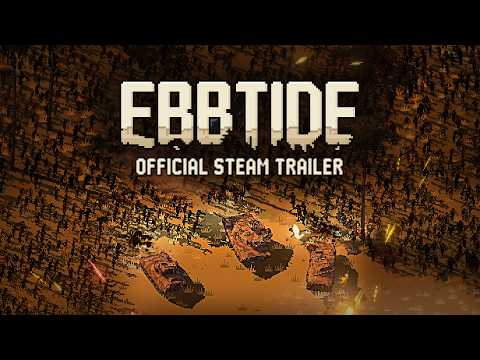 Official mediaExplore the mechanics of Ebbtide fighter strikes, carrier operations, and tactical building destruction with our comprehensive gaming guide.YouTube